01
Temperament
Gentle, friendly, patient, and loyal. Saint Bernards are usually affectionate with their families and can be calm around children when properly socialized.
 Click to enlarge
1 / 3
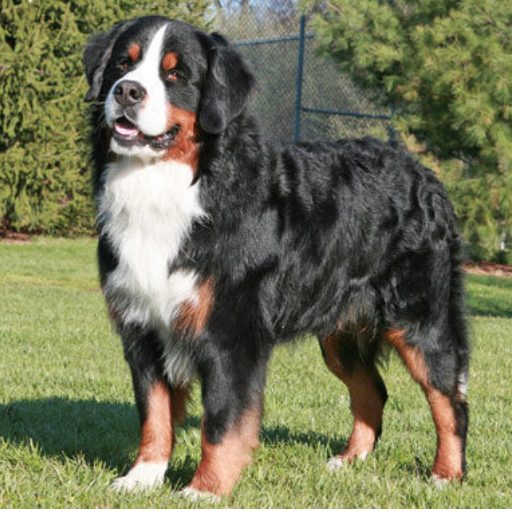
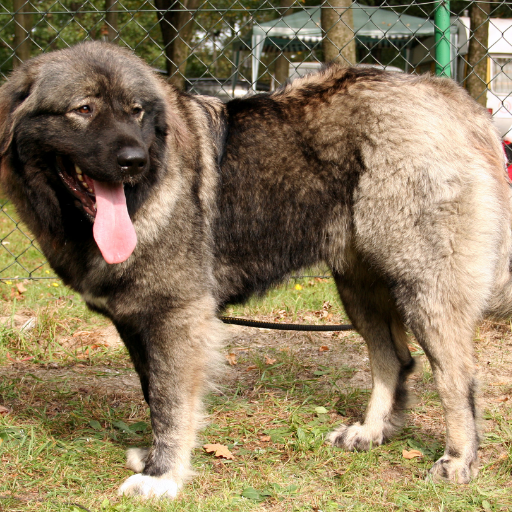
The Saint Bernard is a giant, powerful dog with a broad head, strong body, and thick coat. Despite its size, it is generally gentle and affectionate, making it a well-known family companion.
AT A GLANCE
Is the Saint Bernard right for your home? Every companion is an individual. Breed information can help you understand what everyday life with this companion may look like.
Consider your home, daily routine, family environment, grooming expectations, exercise needs and the time you can consistently dedicate to your pet before making a decision.
A breed profile is a starting point — not a substitute for understanding the individual companion and their specific needs.
ASK ABOUT THIS BREED
Not sure about exercise, grooming, apartment living, children or everyday care? Ask a quick question and get a simple breed-focused answer.
AI breed assistantAI answers are general guidance only. For health, medical or individual pet-care concerns, consult a qualified veterinarian.
BREED PROFILE
Explore temperament and everyday care considerations to get a clearer picture of whether this breed fits naturally into your lifestyle.
Gentle, friendly, patient, and loyal. Saint Bernards are usually affectionate with their families and can be calm around children when properly socialized.
They need moderate exercise, balanced nutrition, grooming, and regular veterinary care. Their large size makes healthy weight management especially important.
ORIGIN STORY
Monks at the Great St Bernard Pass used these dogs to guard the hospice and help locate travelers lost in snowy mountain conditions. Their strength, endurance, and excellent sense of direction made them valuable working companions.
BEFORE YOU DECIDE
Think about space, family members, time for companionship and the day-to-day rhythm you can realistically maintain.
Food, hygiene, enrichment, grooming and veterinary guidance are ongoing parts of responsible pet care.
Talk with our team about temperament, individual needs and whether this breed is a good match for your household.
FAQ
Still deciding? Browse common questions about the Saint Bernard. If something is not covered, you can also ask our AI assistant above or speak with our team directly.
They are often gentle and patient with children when properly socialized. Because of their enormous size, interactions with young children should still be supervised.
Yes, many Saint Bernards can drool noticeably, especially after eating, drinking, or in warm weather. Owners should be prepared for some extra cleanup.
They can struggle in hot weather because of their thick coat and large body size. Access to shade, fresh water, and a cool environment is important.
They are not usually as energetic as many working breeds. They still need regular moderate exercise to support fitness and healthy weight.
Not necessarily, but regular brushing at home is important. Professional grooming can be useful when owners need help managing heavy shedding or maintaining the coat.
WHY DOGGIEWALE
We help families understand breed information and connect with our team for a thoughtful conversation before they decide.
Talk through home size, routine, grooming expectations and the kind of companion you are looking for.
Each profile is designed to make essential care, temperament and history information easy to review.
Use WhatsApp or a call to ask questions directly and get guidance for your next step.